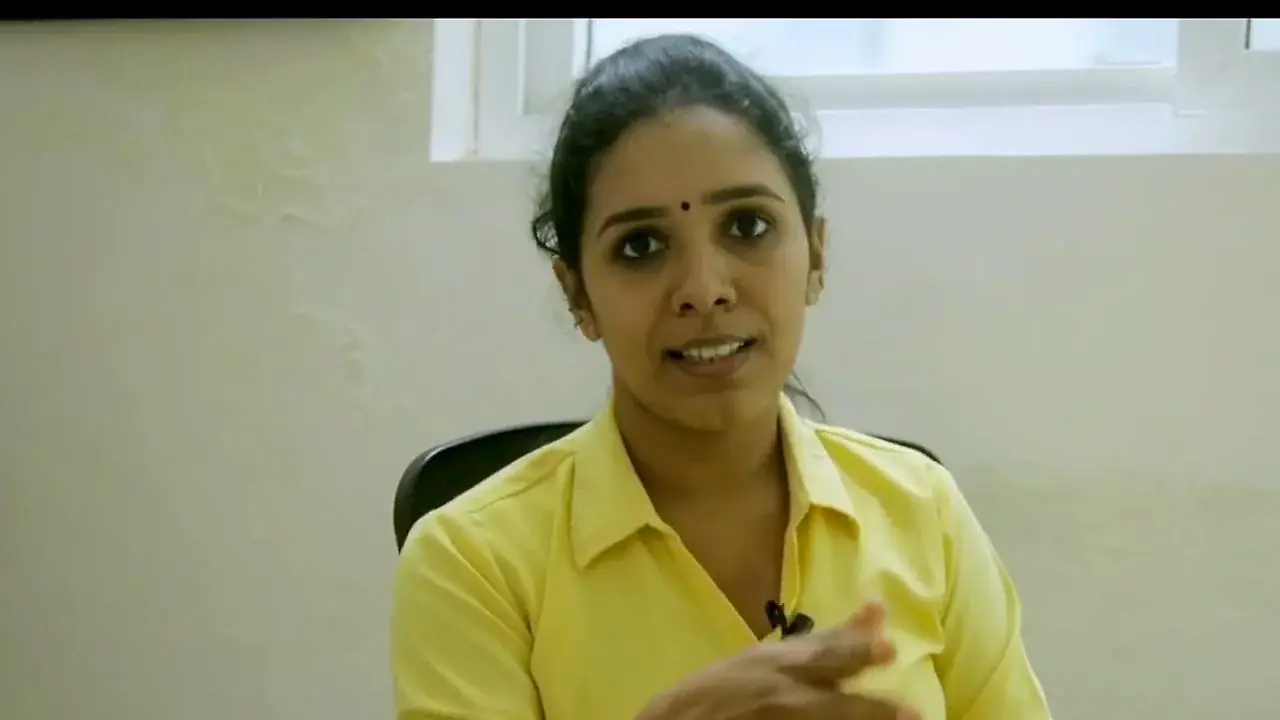
KIMSHEALTH · Video testimonial
QR Codes, Ready Dashboards and Quick Call-Backs: Patient Feedback at KIMSHEALTH
Madavi T, Manager, Quality Department at KIMSHEALTH, worked on moving the hospital's patient feedback onto humblx in the first half of 2024. In this two-minute testimonial she explains why the old system missed most patients, and what changed for her quality team once feedback went digital.
Madavi TManager, Quality Department, KIMSHEALTH
1:53 · Published Jul 2024 Watch on YouTube(opens in a new tab)
Key moments
In their words
Curated quotes from the video, lightly edited for readability. Press a time to play that moment.
Outcome in her words
“For the past three, four months we were working to implement humblx as a feedback software, and we found a lot of drastic changes in the feedback management system.”
00:00Madavi T Before: low reach
“The previous system that we were following was not reachable to many of the people, so we were facing many issues in getting feedback from most of our customers.”
00:10Madavi T Reach: QR codes where patients are
“In humblx it is very easy for us to reach many of the people, because the QR codes are within the reach of the patient: even in the patient rooms, even in the receptions. Wherever the patient is travelling across the hospital, the QR codes are available everywhere.”
00:23Madavi T Reporting without spreadsheets
“The interesting part in the humblx app is that the dashboard is readily available. We need not calculate on the monthly data or weekly data; the dashboards give us readily available data on CSAT, or customer satisfaction scores.”
00:50Madavi T Insight: what went wrong
“The humblx application highlights negative and positive feedback, and the highlighted negative feedback clearly tells us what the patient is not satisfied with.”
01:09Madavi T Service recovery
“There are even patient contact numbers available in the app, so that we can reach out to the patient immediately when negative feedback has been dropped in.”
01:24Madavi T Before/after: fully digital
“Comparatively, the feedback management system followed earlier even had some manual paperwork. Now, through the humblx app, we have completely gone digital in getting patient feedback.”
01:33Madavi T
In short
KIMSHEALTH's quality team moved patient feedback from a partly paper-based system to humblx, with QR codes in rooms, at reception and across the hospital. Ready CSAT dashboards replaced monthly hand calculations, and highlighted negative feedback lets the team call patients back straight away.
Why wasn't the old feedback system reaching patients?
- In Madavi's words, the old system "was not reachable to many of the people", and it relied partly on manual paperwork.
- Paper forms tend to be filled in by patients with time to spare or a strong complaint.
- Entries are often typed up weeks later, after those patients have gone home.
How do QR codes change who gives feedback?
- The QR codes are within the patient's reach: in rooms, at reception and across the hospital.
- There is no form to find and no staff member to wait for; a phone camera is enough.
- A code tied to its location means each response says where the experience happened.
- Feedback Management runs short QR, tablet and WhatsApp forms at each touchpoint.
What does a ready dashboard save a quality team?
- CSAT is readily available on the dashboard, so the team no longer calculates weekly and monthly figures by hand.
- NABH expects hospitals to measure patient satisfaction and act on what they find.
- A ticket and an action against each complaint give NABH audit records without a month-end scramble. See turning patient feedback into CAPA for NABH.
Why flag negative feedback straight away?
- humblx marks feedback as negative or positive, so the team sees at once what the patient is unhappy about.
“There are even patient contact numbers available in the app, so that we can reach out to the patient immediately when negative feedback has been dropped in.”
- Negative feedback automatically becomes a ticket for the department that owns the issue, with the root cause and corrective and preventive action recorded.
What changed at KIMSHEALTH?
- In Madavi's words, patient feedback has "completely gone digital", where the earlier system had some manual paperwork.
| Measure | Before | After |
|---|---|---|
| Patient feedback a month | About 500 (paper register) | 4,448 (8.9×) |
| Feedback tickets completed | About 58% | 99.8% |
| Average feedback-ticket closure | 32 days (Feb 2024) | 2.8 days (Feb 2025) |
| Patient satisfaction | 3.75 / 5 | 4.6 / 5 |
Confirmed KIMSHEALTH results, recorded after this video and not attributed to Madavi.
How can other hospitals start?
- Map the touchpoints: rooms, OPD, pharmacy, billing and discharge.
- Keep the form short: a handful of questions about one visit.
- Name an owner for every complaint type.
- Agree a call-back window for negative feedback, and track it.
- Review weekly, not only monthly.
Read the full rollout in the KIMSHEALTH case study, or talk to the humblx team.
Frequently asked questions
How can a hospital collect more patient feedback?
Put short forms where patients already are, such as QR codes in rooms and waiting areas, plus WhatsApp. At KIMSHEALTH, monthly feedback rose from about 500 in the paper register to 4,448 (8.9×).
What is CSAT, and how is it different from NPS?
CSAT asks how satisfied a patient was with a specific service or visit; NPS asks how likely they are to recommend the hospital, on a scale of 0 to 10. CSAT spots problems in one department, while NPS gives a broader view.
How quickly should a hospital respond to negative patient feedback?
Ideally the same day, while the patient is still in the hospital. Flagged negative responses with contact details make this practical.
How did patient feedback change at KIMSHEALTH after moving to humblx?
Monthly feedback rose from about 500 to 4,448, with 83,275 responses since February 2024. Completed feedback tickets went from about 58% to 99.8%, closure fell from 32 days to 2.8, and satisfaction rose from 3.75 to 4.6 out of 5.